

Rekeying a Commercial Lock: A Step-by-Step Guide
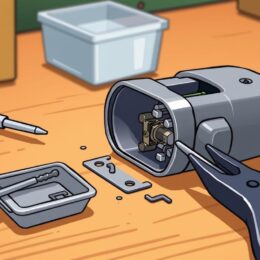
In today’s fast world, keeping your business safe is key. Rekeying a commercial lock is a smart way to boost security without spending a lot. This guide will show you how to rekey a commercial lock, from the benefits to the steps to follow.
By choosing rekeying, you can cut down on unwanted access. This is great when old keys are lost or gone. Diamondback Locksmith offers expert tips on how to keep your business safe with commercial lock rekeying.
Key Takeaways
- Rekeying can be done in 15 to 30 minutes by a pro.
- Hiring a locksmith for rekeying costs $40 to $100 per lock.
- A rekeying kit costs $10 to $30, a cheaper option than replacing locks.
- Professional rekeying is faster than DIY, even with tricky locks.
- It’s smart to rekey regularly, like after new employees join, to keep things secure.
What is Rekeying and Why It Matters?
Rekeying changes a lock’s inside parts so a new key works, making old keys useless. It’s popular with businesses looking to boost security without the cost of new locks. Knowing about rekeying is key for any business focused on safety.
Definition of Rekeying
The definition of rekeying means changing the lock’s internal pins. This lets a new key work while old keys don’t. Choosing professional lock rekeying helps businesses control who enters their space.
Benefits of Rekeying for Businesses
The benefits of rekeying commercial locks are many. It’s cheaper than getting new locks, saving up to 70%. It’s also quick, often done in 24 hours. This is why 90% of landlords rekey locks for new tenants.
Diamondback Locksmith
609 N Scottsdale Rd Ste E
Scottsdale, AZ 85257
(480) 360-5371
https://diamondbacklockandkey.com/scottsdale-locksmith-company/
Common Scenarios for Rekeying
There are many reasons to rekey locks. These include:
- Employee turnover or termination
- Lost or stolen keys
- Moving into a new property
- Security breaches
- Personal life changes, such as a divorce
These situations can risk security. So, businesses should think about rekeying to keep everyone and things safe.
Tools You’ll Need for Rekeying
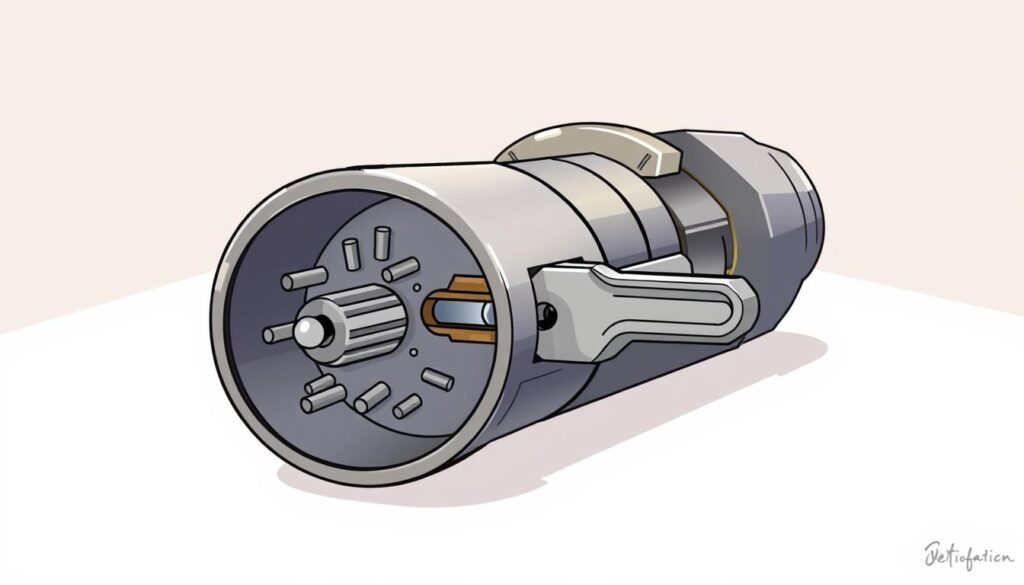
Rekeying a lock needs the right tools for rekeying a commercial lock. These tools make the job easier and safer. Knowing what you need helps both pros and DIY fans do the job well.
Essential Tools Overview
For good rekeying, you’ll need a few key tools:
- Flathead and Phillips screwdrivers: They help you get into the lock.
- Rekeying kits: These have pins, springs, and key blanks for different locks.
- Needle-nose pliers: Great for handling small parts with care.
- Tension wrench: It’s key for the right tension during rekeying.
- Lubrication: Use graphite powder to keep locks running smoothly.
Where to Find Rekeying Kits
You can find rekeying kits in many places. Home Depot, Lowe’s, and Diamondback Locksmith have them. Online, you can find lots of options for your lock’s brand.
Safety Equipment to Consider
Keeping safe is important when you’re rekeying locks. You should wear:
- Safety glasses: They protect you from debris.
- Gloves: They keep you safe from sharp things and help you grip better.
- Headlamps or flashlights: They’re needed for dark places and to see well.
Step-by-Step Process for Rekeying a Lock
makes your space safer and saves money. This guide will help you do it right. Knowing the cost and looking for the best service is smart. Here’s how to do it step by step.
Step 1: Gather Your Tools
First, get all the tools you need. A good kit has:
- Multiple keys
- Pins (color-coded for easy reference)
- Plug follower
- Ring remover
- Cylinder follower
- Wire tool for removing the lock face clip
Step 2: Disassemble the Lock
With your tools ready, start taking apart the lock. Use the right tools to remove the cylinder from the housing. This makes putting it back together easier.
Step 3: Remove the Old Pins
Now, take out the old pins. Make sure to handle both the upper and lower pins. This step is key to making the lock work right.
Step 4: Insert New Pins and Reassemble
Next, put in the new pins using the kit’s chart. Each pin goes into a specific slot. After that, put everything back together carefully.
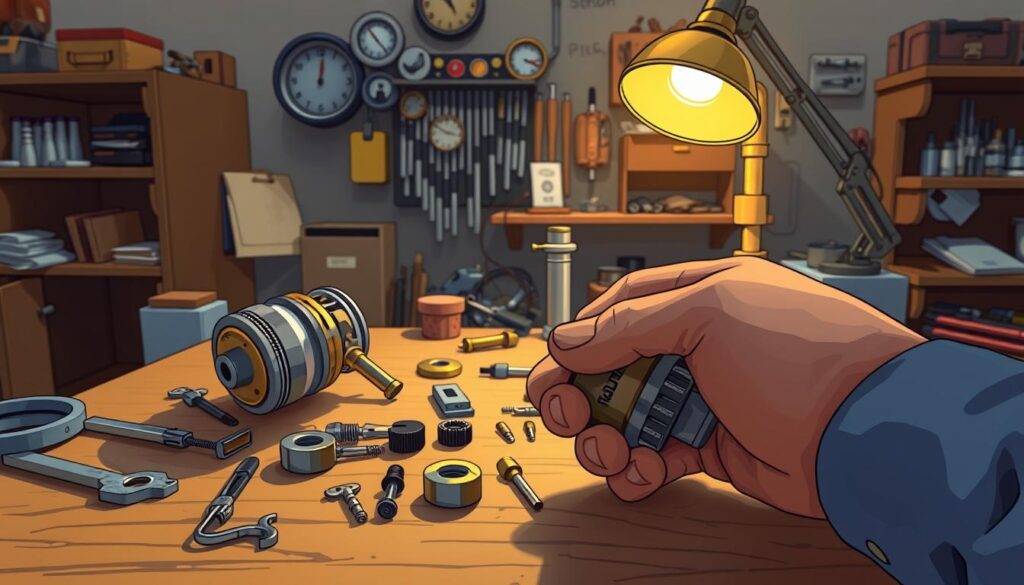
Rekeying usually takes 30 minutes to an hour. The cost depends on whether you do it yourself or get a professional.
Tips for Maintaining Commercial Locks
Keeping commercial locks in good shape is key for security and lasting use. Regular checks and upkeep can save money and ensure your business is safe. Here are some tips for keeping locks in top condition, spotting when they need help, and picking the best locks for security.
Regular Maintenance Routines
Locks in commercial places wear out fast because they get used a lot. Here are some important steps to keep your locks working well:
- Check locks at least once a year, more often in busy places.
- Clean locks to stop dust and dirt from causing problems.
- Use lubricant on moving parts to avoid jams and keep locks smooth.
- Test locks often to catch and fix issues before they cause lockouts.
Signs Your Lock Needs Attention
Knowing when your lock needs help is important to fix problems early. Look out for these signs:
- Hard to turn the key or locks that stick mean they’re wearing out.
- Rust or corrosion on locks can mean they’re not working right.
- Worn-out keys can damage locks, so replace them right away.
- Strange noises when locking or unlocking often mean there’s a mechanical issue.
Choosing the Right Lock for Security
Picking the right lock can really help keep your business safe from unauthorized access. Here are some tips for choosing locks:
- Choose locks that meet ANSI grade standards for safety.
- Think about the weather when picking locks; some seals work better in harsh weather.
- Consider smart locks for extra security features like remote access or biometrics.
- Choose locks based on how much they’re used and the risks your business faces.
| Maintenance Task | Frequency | Expected Outcome |
|---|---|---|
| Visual Inspections | Annually (or bi-annual/quarterly for high-traffic) | Identify problems before they get worse |
| Cleaning and Lubrication | At least once a year | Stop malfunctions and make locks last up to 30% longer |
| Testing Mechanisms | Every few months | Lessen lockouts by spotting issues early |
| Key Replacement | As needed | Lower chance of damage by 25% |
When to Call a Professional Locksmith
Knowing when to call a professional locksmith for commercial rekeying is key. It’s important to know warning signs you can’t rekey yourself. Trying to fix complex locks without training can cause problems and weaken security.
If your locks feel stiff or jammed, or if you’re unsure who has your keys, it’s time to call a pro.
Warning Signs You Can’t Rekey Yourself
DIY rekeying might seem easy, but some jobs need a pro. If you’re dealing with old or broken locks, or if your keys don’t work right, you risk lock failure. About 30% of homeowners try DIY fixes, but it often makes things worse.
Need to rekey high-security locks or special systems? Leave it to the experts. They ensure the job is done right.
Benefits of Professional Services
Choosing a professional locksmith saves time and ensures quality service. Professional rekeying benefits include proper installation and better security. Pros work faster than DIYers, finishing complex jobs in about 30 minutes.
How to Choose the Right Locksmith
When picking a locksmith, check their credentials and experience with commercial rekeying. Look for reviews and ratings over 85%. Choose locksmiths known for quick, reliable service, even in emergencies.
Make sure they understand your security needs. This ensures your business is safe and secure.
FAQ
What exactly is rekeying a commercial lock?
Rekeying a commercial lock means changing the lock’s inside parts. This makes it work with a new key. Old keys won’t work anymore. It’s a way to boost security without replacing the whole lock.
What are the benefits of rekeying commercial locks?
Rekeying locks makes them more secure. It’s cheaper than replacing locks. It also helps control who can enter and leaves. Plus, it’s easy to change keys when employees leave or if there’s a security issue.
How much does rekeying a commercial lock cost?
The price to rekey a lock varies. It depends on the lock type, how hard it is to rekey, and if you use a pro. But, it’s usually cheaper than getting new locks.
What types of tools are needed for rekeying?
You’ll need a flathead screwdriver, a rekeying kit for your lock, and needle-nose pliers. Don’t forget gloves and eye protection for safety.
Where can I purchase rekeying kits?
You can buy rekeying kits at hardware stores or from locksmiths like Diamondback Locksmith. They have kits for many lock brands.
When should I consider maintaining my commercial locks?
Keeping locks in good shape is key. Use lubricants, check screws, and fix any wear or trouble. This keeps locks working well.
How do I know if I need to call a professional locksmith?
If you’re stuck with a tricky lock or unsure how to rekey, call a pro. They have the skills, speed, and guarantee quality work.
What should I look for when choosing a locksmith for commercial rekeying?
Check a locksmith’s credentials, experience with commercial locks, and reputation. Read reviews and ask for business recommendations to find a reliable locksmith.